
Home » Urological Surgery and Treatments » Testicular Cancer
Testicular cancer is a malignant tumour that develops in the tissues of the male reproductive organs (the testicles), which are responsible for producing sperm and the male hormone testosterone.
Although it is not one of the most common cancers in the population overall, it is the most common type of cancer in young adults, with a peak incidence between the ages of 20 and 40. The excellent news is that it is one of the cancers with the highest cure rates in modern medicine (often above 95%), especially when diagnosed early.
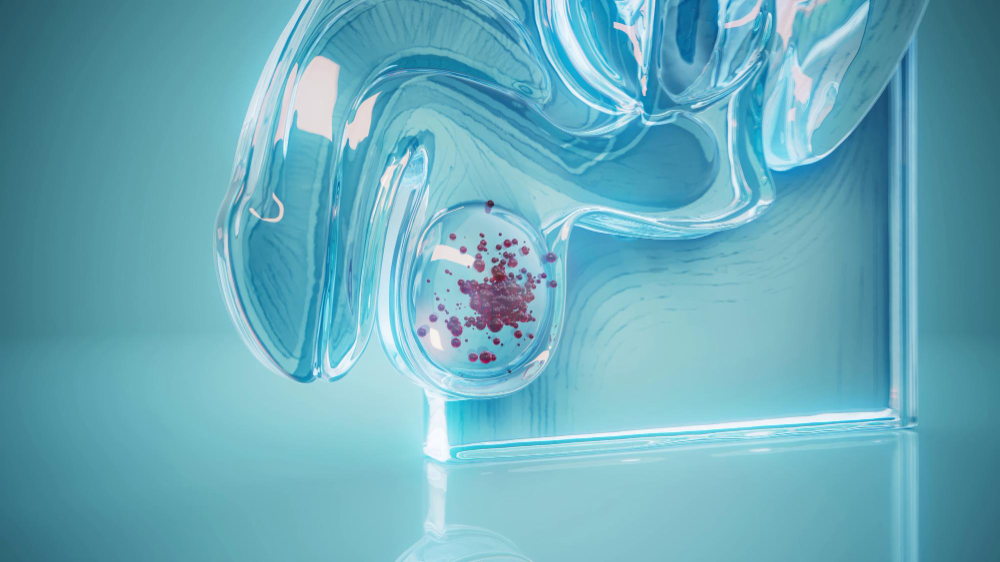
The classic and earliest warning sign of testicular cancer is the presence of a hard lump in the testicle, usually painless.
Other common symptoms include:
Self-examination: As with the recommendation for breast screening in women, every young adult should regularly palpate their testicles (ideally during a hot shower, when the scrotal skin is relaxed) to become familiar with their normal anatomy and detect any changes early.
If you notice a suspicious lump, the assessment should not be delayed.
The approach is multimodal and depends on the stage of the disease.
The mandatory first step is surgical removal of the affected testicle. Unlike surgery for benign scrotal conditions, the incision is not made in the scrotal skin, but rather in the inguinal region (the groin), ensuring that the entire tumour and the spermatic cord are removed safely, preventing malignant cells from spreading.
Aesthetic preservation and body image: During the same procedure, the surgeon may implant a testicular prosthesis made of silicone in the scrotum. The aesthetic result is excellent and immediate, minimising the psychological impact of surgery.
Although most men with one remaining healthy testicle can father children naturally, it is essential to recommend and arrange preventive freezing (cryopreservation) of sperm samples before proceeding with adjuvant treatments, safeguarding the young patient’s reproductive future.
After surgery and pathological analysis, no further treatment may be necessary, and the patient may simply move to close surveillance protocols.
In higher-risk cases or when the disease has spread, cycles of chemotherapy (extremely effective and curative in this type of cancer) or sessions of radiotherapy targeted to the abdominal lymph nodes may be prescribed.
Book your urology appointment with Dr Frederico Furriel, a urologist with consultations in Leiria, Caldas da Rainha and Porto de Mós. Select your preferred location and submit your appointment request.